
Offset Printing Equipment and Presses for Book and Catalog Printing

Explore our range of advanced offset printing equipment designed for commercial print shops and production facilities. Offset printing remains one of the most trusted methods in commercial printing, delivering consistent high quality prints with sharp images, rich color, and cost-effective performance for books and catalogs.

Delivering Exceptional Quality Through Modern Offset Technology

At Data Reproductions Corporation, our offset department is built for precision, consistency, and efficiency. Our sheetfed and web offset presses feature automated controls, advanced color management, and high-speed production capabilities that help us meet tight deadlines while maintaining exceptional quality. These systems are engineered to handle both short-run and high-volume commercial print projects.
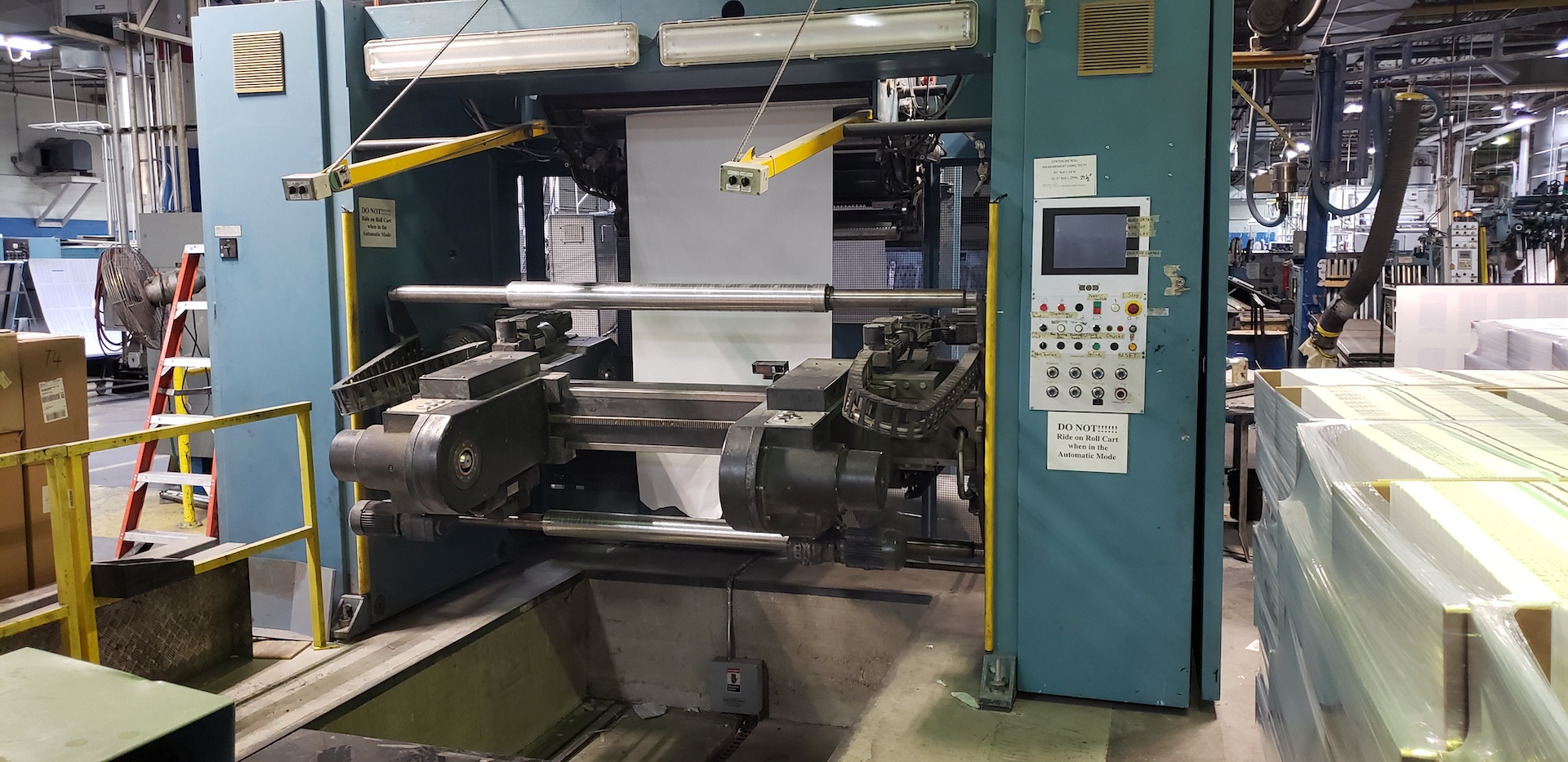
Timson T48 Offset Press image

Timson T48 48-page 8.5" x 11" Heat-set Web

The Timson T48 is a high-performance web offset press engineered for fast, continuous printing, making it ideal for large runs of books, manuals, and catalogs where detail, registration, and color consistency matter.
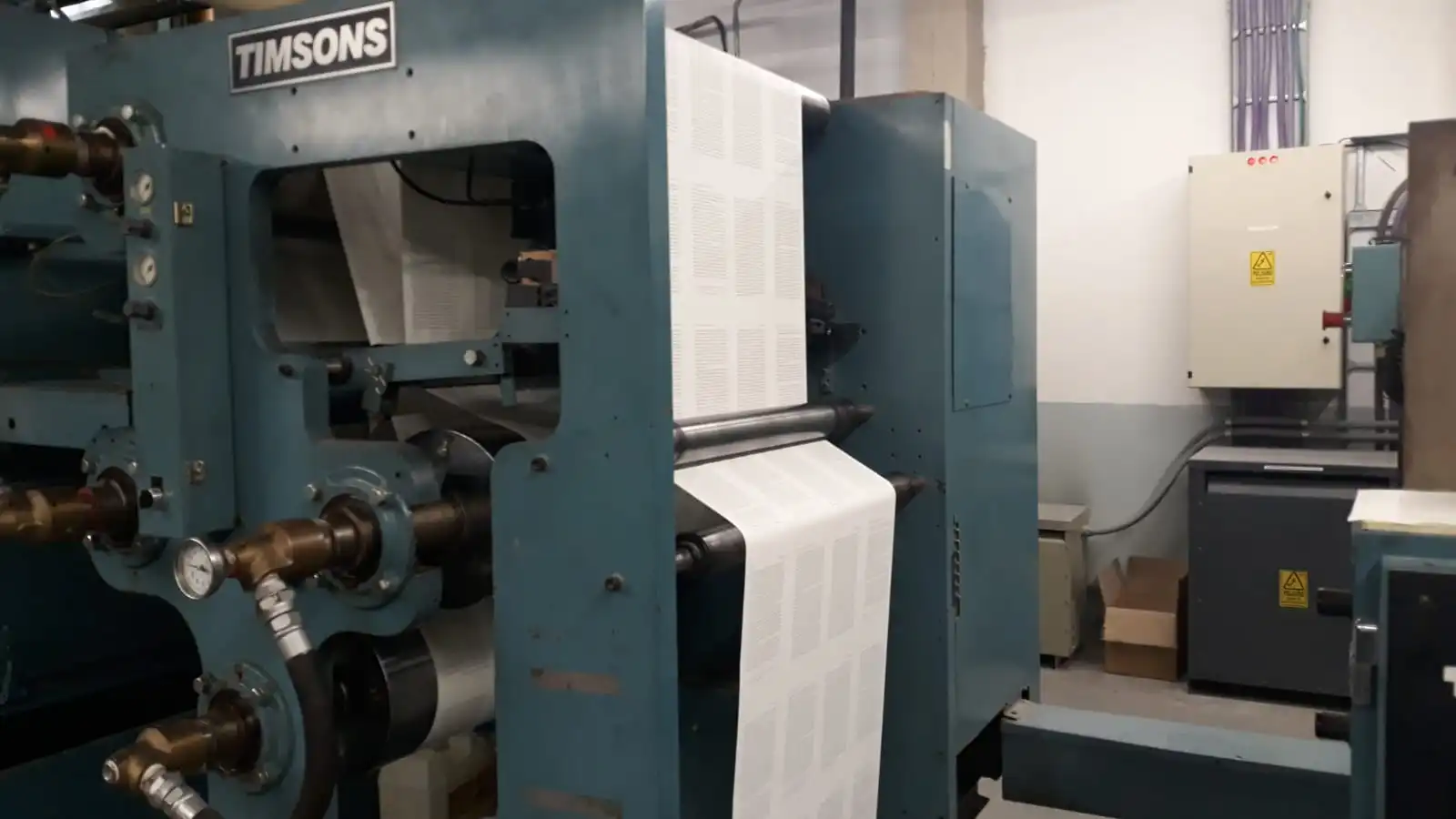
Timson T32 Offset Press image

Timson T32 48-page 6" x 9"
Heat-set Web

This press excels in high-volume book and publication production. Its dedicated format and heat-set drying deliver crisp text and reliable ink adhesion across each signature, reducing waste and boosting throughput.
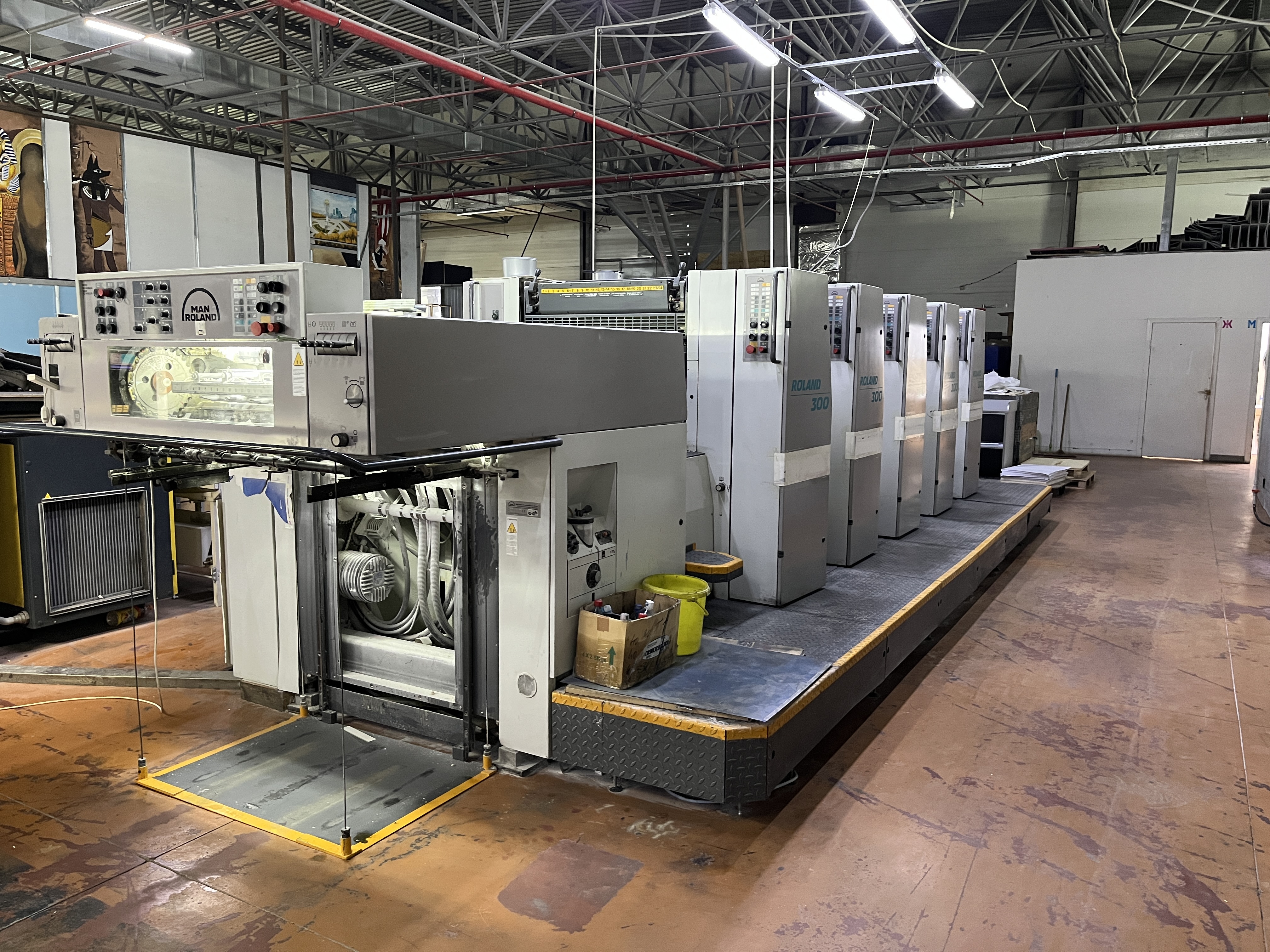
Man Roland Offset Printing Press image

Man Roland 305 23" x 29"
5 Color Perfector

The Man Roland 305 features five-color sheetfed offset printing with perfecting capability, allowing double-sided printing in a single pass. This drives efficiency while producing sharp images and vibrant colors across a wide range of paper stocks.
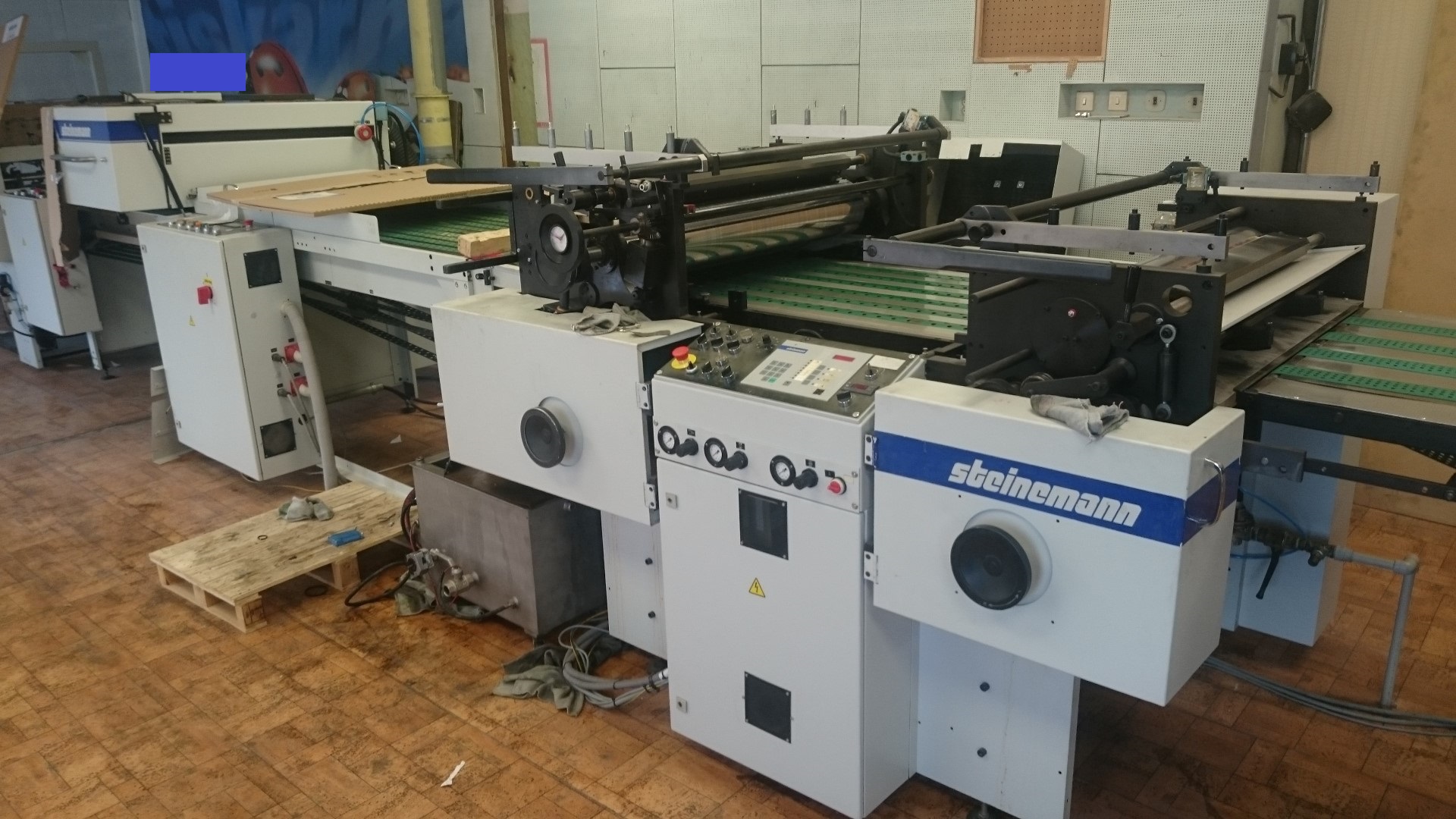
Steineman UV Coater image

Steinemann Calibri 72, 28" x 40" UV Coater

The Calibri 72 applies premium UV coating to large sheets (up to 28" x 40"), creating a smooth, durable finish that enhances appearance and protection for covers, brochures, and specialty print pieces.

General Binding Corp. 32" Genesis Laminator
(with linex embossed finish)

General Binding Corp. 32" Cyclone Laminator

Our laminators add durable, professional-grade finishes to large-format prints such as posters, covers, and brochures. Choose from embossed textures or sleek, smooth lamination to match your project’s aesthetic and performance goals.

FAQs

Q. What is offset printing and why is it used for books and catalogs?
A. Offset printing (also called offset lithography) transfers ink from a metal plate to a rubber blanket and then onto paper. It produces sharp, consistent color and fine detail, making it ideal for high-volume books, catalogs, brochures, and publications where quality and uniformity matter.
Q. How does offset printing differ from digital printing?
A. Offset printing uses etched plates and a rubber blanket, making it extremely cost-effective for large print runs and a broad range of paper stocks. Digital printing prints directly from digital files without plates, which is better for short runs and personalized prints. The choice depends on quantity, budget, and project needs.
Q. What are the advantages of using modern offset equipment?
A. Modern offset presses deliver consistent color, sharp detail, fast production speeds, and flexible substrate handling. They are engineered to support large volumes while maintaining tight tolerances, which helps keep per-unit cost competitive on high-quantity jobs.
Q. What is “heat-set” offset printing?
A. Heat-set offset uses heated drying units to cure inks rapidly, which improves image quality, reduces dot gain, and allows printing on coated stocks used in books, magazines, and catalogs. It’s ideal for high-speed commercial runs.
Q. Can offset presses handle specialty finishes?
A. Yes. Offset equipment paired with finishing machines (like UV coaters and laminators) can produce gloss, matte, and textured finishes, foil stamping, and other specialty treatments that enhance durability and visual appeal.
Q. Is offset printing cost-effective for my project?
A. Offset printing becomes more economical at higher quantities because the setup cost (plate creation and calibration) is spread across more units. For very short runs, digital printing may be more cost-effective, but for catalogs, books, or large batches, offset often delivers lower per-unit costs and higher quality.